Typical features
Drooping eyelids, double vision, chewing fatigue, weak speech, trouble swallowing, and limb fatigue.
Myasthenia gravis is an immune-mediated disorder that affects communication between nerves and muscles. Many patients improve significantly once the diagnosis is made and treatment is tailored correctly.
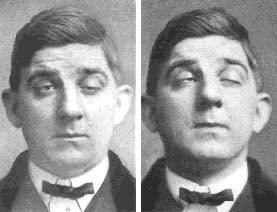
Drooping eyelids, double vision, chewing fatigue, weak speech, trouble swallowing, and limb fatigue.
Symptoms often worsen with repeated use and improve with rest, which helps distinguish MG from other disorders.
Many patients respond well when the diagnosis is confirmed and therapy is chosen carefully.
Because symptoms can fluctuate, patients are sometimes told the problem is vague or inconsistent. Careful history, neurologic examination, and appropriate testing are often what bring the picture into focus.
The workup may include review of fatigue patterns, eye symptoms, bulbar symptoms such as swallowing or speech changes, and tests that help confirm a neuromuscular junction disorder.