Typical symptoms
Throbbing headache, nausea, vomiting, and sensitivity to light or sound.
Migraine can involve throbbing pain, nausea, light and sound sensitivity, visual changes, and neurologic warning symptoms. A careful diagnosis helps separate migraine from other serious causes of headache and neurologic events.
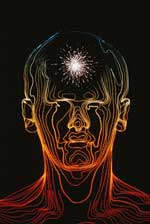
Throbbing headache, nausea, vomiting, and sensitivity to light or sound.
Some patients experience visual change, numbness, speech trouble, or other temporary neurologic symptoms.
Many people improve when diagnosis, triggers, and treatment strategy are reviewed carefully.
Migraine is more than a bad headache. Patients may describe one-sided pain, pounding or pulsating discomfort, nausea, severe sensitivity to light, or a need to lie still in a dark room until symptoms ease.
Even though migraine is common, the same symptoms can overlap with seizures, stroke syndromes, structural disease, and other neurologic conditions. That is why recurring headaches with neurologic features deserve proper evaluation rather than guesswork.